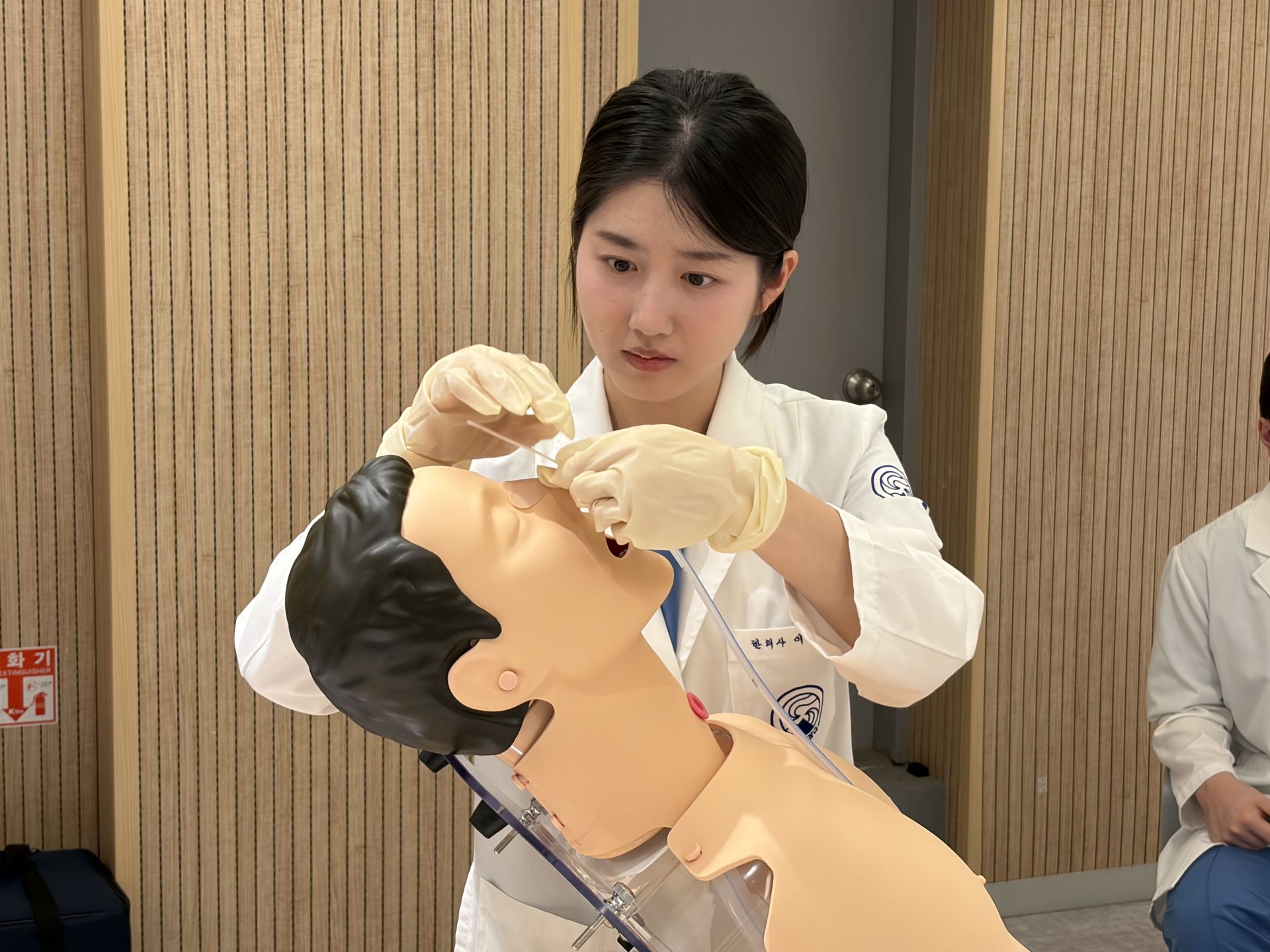
Lecture Overview – This lecture is structured around the following key learning objectives:
1. Enhance medical knowledge by understanding essential ward care procedures.
2. Improve clinical competency by developing skills in frequently performed ward procedures and emergency interventions.
3. Enhance patient outcomes by learning commonly performed ward procedures to improve treatment effectiveness and patient recovery.
This lecture highlights not only how to perform key procedures but why each step matters for patient safety. Using structured demonstrations, anatomical reasoning, and common clinical scenarios, participants gain practical insights that can be immediately applied in hospital wards.
Key highlights include:
Nasogastric (L-Tube) Insertion: Indications, Contraindications, and Technique:Through detailed explanation and clinical pearls, the lecture covers:
- Anatomical pathways and safe insertion angles
- Contraindications such as facial bone fractures, esophageal injury, and altered consciousness
- Methods for confirming tube placement
- Common pitfalls and how to avoid complications such as aspiration pneumonia or mucosal injury
Nelaton & Foley Catheterization: Principles of Safe Urinary Drainage:
Participants review:
-
The differences between Nelaton (intermittent) and Foley (indwelling) catheters
-
Indications in postoperative care, urinary retention, and bladder drainage
-
Aseptic insertion techniques and catheter care
-
Risk reduction strategies for urethral trauma and catheter-associated UTIs
Wound Suturing Techniques: When to Close, When to Delay :
Rather than offering only technical steps, the lecture emphasizes decision-making:
-
Contraindications to primary closure (necrotic tissue, tetanus suspicion, severe contamination)
-
Choosing appropriate suture materials and patterns
-
Principles of tension-free closure and wound edge eversion
-
How to optimize cosmetic and functional outcomes

For clinicians managing ward patients, mastering these core procedures is not optional—it is foundational. These skills directly impact patient recovery, safety, and comfort. This lecture bridges theoretical knowledge with clinical execution, empowering clinicians to perform essential procedures with precision, confidence, and professional responsibility.
Join this CME session to deepen your understanding of essential hospital procedures—improving patient care quality, minimizing complications, and elevating your overall clinical capability.
Whether you're a resident doctor or a healthcare provider seeking to reinforce foundational skills, this program offers practical, immediately applicable knowledge that enhances daily clinical practice.